
Complex Regional Pain Syndrome
Overview
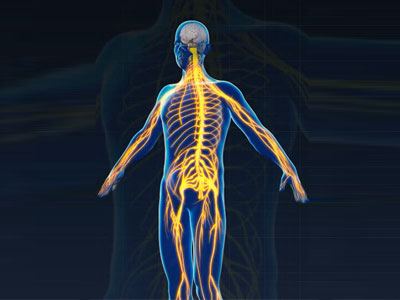
Complex regional pain syndrome (CRPS) is a chronic pain condition characterised by severe pain, swelling, and changes in the skin. It usually affects the arms, hands, legs, or feet. It is also known as reflex sympathetic dystrophy or causalgia. It usually begins after trauma such as an injury to the tissue, bone, or nerves of your limb. With early treatment, CRPS may be prevented from getting worse.
Causes
The exact cause of CRPS is not known, however certain theories suggest that in some cases the sympathetic nervous system plays an important role in sustaining the pain. It may also be caused by triggering the immune response, which can result in inflammatory symptoms of redness, warmth, and swelling in the affected area.
There are two forms of CRPS based on different causes: CRPS I is triggered by a soft tissue injury, where nerve damage is not the primary cause; whereas, CRPS II is triggered by damage to a nerve.
Symptoms
The main symptom of CRPS is intense, burning pain that feels much worse than the injury and continues long after the injury has healed. Your skin colour may change to red, blue, or white. The skin over the affected area may become tender, thin, or shiny, and sensitive to hot or cold temperatures. You may also have muscle spasms, joint stiffness, and severely limited mobility in the affected area.
Diagnosis
Diagnosis of complex regional pain syndrome is based on your medical history and physical examination. The best way to diagnose and treat CRPS is through a sympathetic block of the affected nerve plexus. The injected anaesthetic should numb the affected extremity. Pain relief and improved temperature of the extremity is a positive diagnostic test for CRPS.
Treatment Options
Treatment is aimed at relieving painful symptoms so that people can resume their normal lives. The following treatment options are often used:
- Physical therapy to help decrease pain and improve range of motion and strength.
- Medications including pain relievers, corticosteroids, bone-loss medications, antidepressants, and anticonvulsants.
- Cognitive-behavioural therapy or psychotherapy can also be useful in helping you cope better with the pain.
- Sympathetic nerve blocks: A nerve block is an injection of local anaesthetics into a group of nerves around the spinal column to provide relief from the pain and discomfort.
- Intrathecal drug pump: In this technique, an external pump and implanted catheters may be used to administer pain-relieving medication into the spinal fluid to provide relief.
- Spinal cord stimulation: This involves placement of stimulating electrodes next to the spinal cord. A small electrical current delivered to the spinal cord provides a pleasant tingling sensation to the painful area.
- Surgical sympathectomy: It is a surgical technique that destroys the nerves involved in CRPS.
Summary
Complex Regional Pain Syndrome causes intense pain that makes it difficult to use the affected part of the body. If you experience constant, severe pain that affects a limb and makes touching or moving that limb intolerable, see your doctor to determine the cause. It's important to treat complex regional pain syndrome early to prevent the progression of the condition.