
Conditions
-
Cervical Degenerative Disc Disease
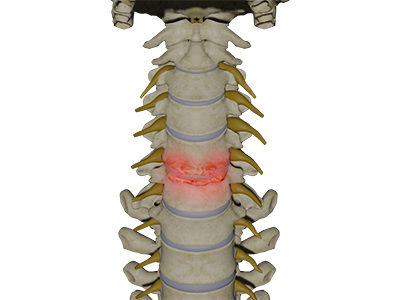
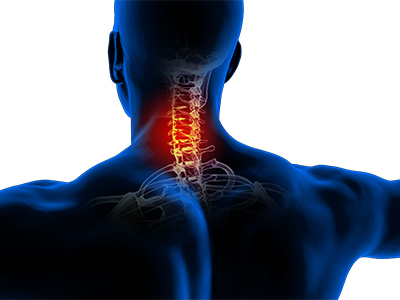
Cervical degenerative disc disease (DDD) is a misnomer, as it is not a disease as such but a condition that affects the strength, resiliency and structural integrity of the intervertebral discs due to increasing age, trauma, injury, repetitive movement, improper posture, or poor body mechanics.
-
Degenerative Disc Disease
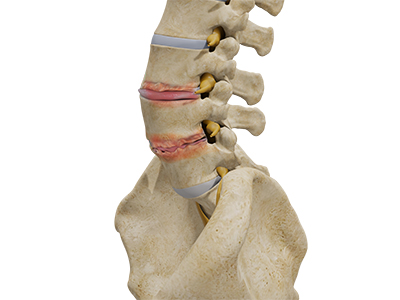
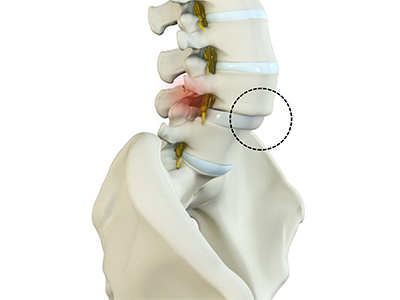
Degenerative disc disease (DDD) refers to the gradual deterioration of the intervertebral discs between the vertebrae. DDD is a misnomer as it is not actually a disease but a condition that affects the strength, resilience and structural integrity of the intervertebral discs due to advancing age, trauma, injury, repetitive movement, improper posture or poor body mechanics.
-
Facet Joint Arthritis
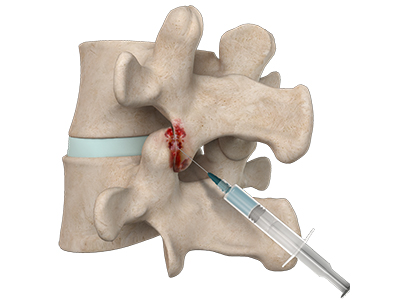
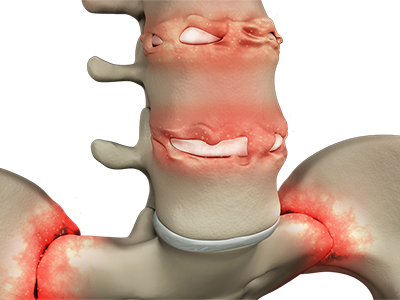
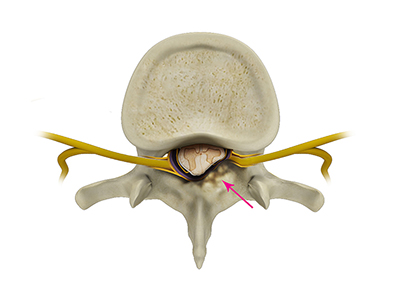
Facet joints, also called zygapophyseal joints, are synovial joints located at the back of your spine, connecting the vertebrae together. Normally the facet joints are lined by a cartilage and a membrane of synovium.
-
Herniated Disc (Cervical)
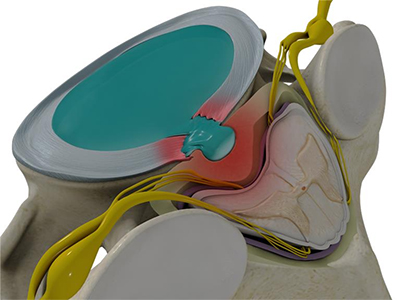
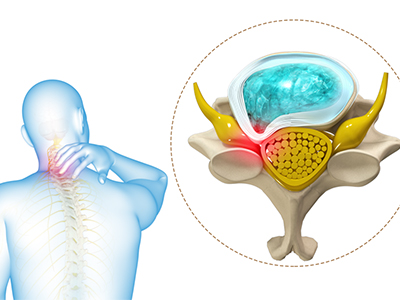
Herniation of a disc is an anomalous spine condition characterized by leakage of the inner contents of the intervertebral disc, due to cracks in its outer wall. A herniated disc is commonly seen in the cervical or neck region, a condition called cervical herniated disc (CHD).
-
Herniated Disc (Lumbar)
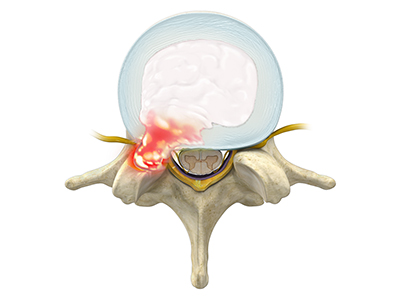
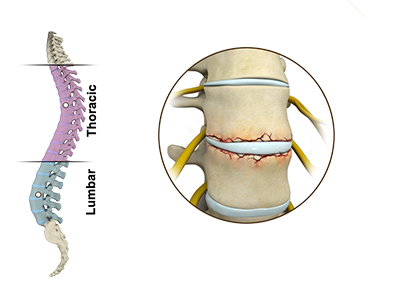
Herniated disc is a condition in which the outer fibers (annulus) of the intervertebral disc are damaged causing the soft inner material of the nucleus pulposus to rupture out of its space.
-
Knee Pain
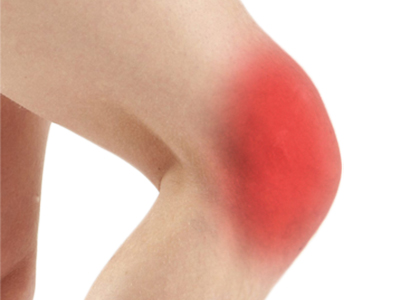
Knee pain is a common condition affecting individuals of various age groups. It not only affects movement but also impacts your quality of life. An injury or disease of the knee joint or any structure surrounding the knee can result in knee pain. A precise diagnosis of the underlying cause is important to develop an appropriate treatment plan.
-
Low Back Pain
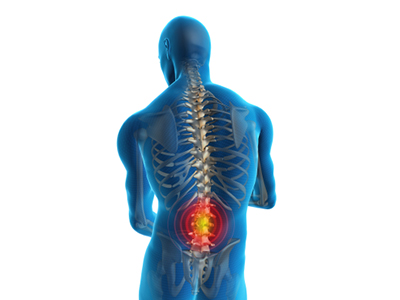
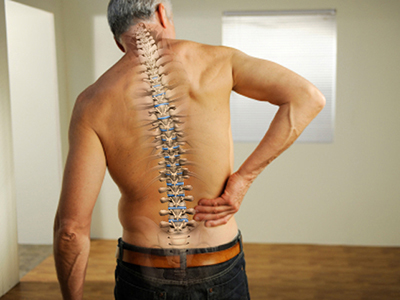
Low back pain is often a common symptom of many disease conditions and the back pain may range from simple or dull pain to sudden and sharp pain. If the pain persists for a few days, it is acute pain whereas if it continues for more than 3 months, it is considered chronic pain.
-
Mid-back Pain

Mid-back pain is also called as thoracic pain or upper back pain. It occurs at the back of the chest and is much less common than lower back pain. It may occur due to poor posture, muscle strain, improper lifting and bending, physical inactivity, sports injury, a trauma in a car accident, cancer, or an autoimmune disease.
-
Muscle Strains and Sprains

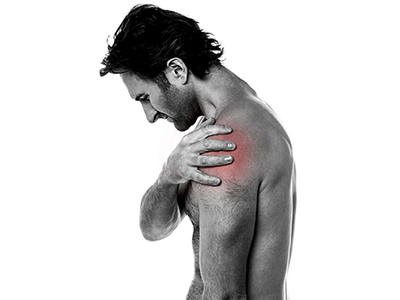
A sprain is a ligament injury caused by overstretching the ligament beyond its optimal capacity. It may even result in a ligament tear. A strain refers to damage to the muscle or its tendon when it is stretched beyond its capacity. In severe cases, it may even result in a tendon or muscle tear.
-
Neck & Back Injuries
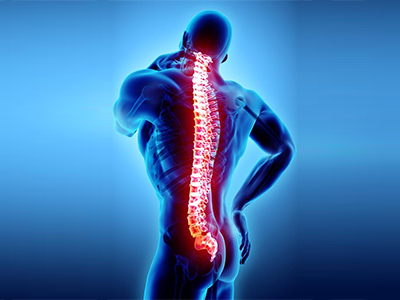
Neck and back injuries usually result from damage to the surrounding structures such as the muscles, bones, or ligaments of the neck and back. They are characterized by pain and discomfort and can sometimes be serious and result in permanent disability.
-
Peripheral Nerve Compression
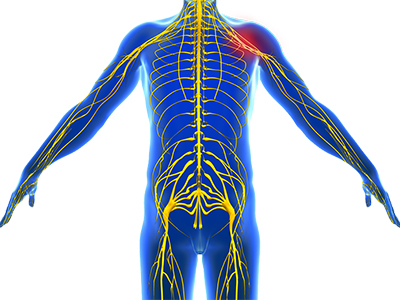
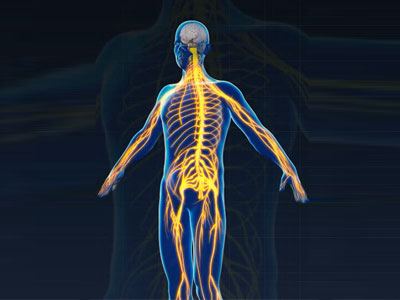
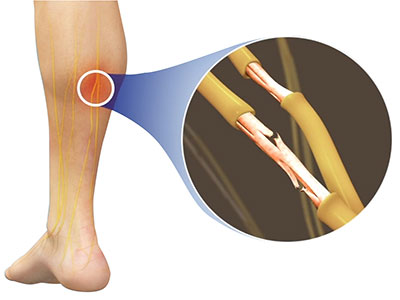
The human body has 2 nervous systems, the central nervous system that includes the brain and spinal cord, and the peripheral nervous system that includes a network of nerves that lie outside the brain and spinal cord.
-
Sacral Nerve Compression
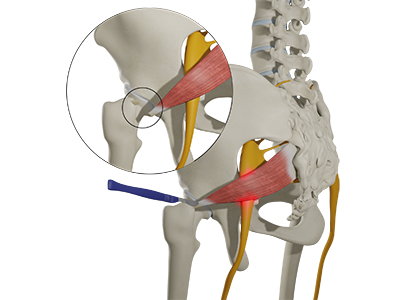
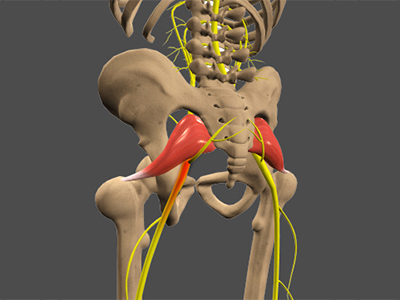
Sacral nerve compression refers to pressure or irritation of the sacral nerves, which are a group of nerves emerging from the lower part of the spine (sacrum) that control sensation and movement in the pelvis, legs, and lower back.
-
Sacroiliac Joint Dysfunction
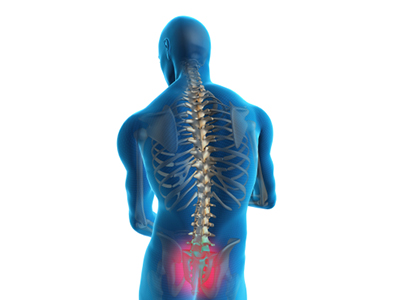
Sacroiliac joint dysfunction or sacroiliac joint pain is one of the common causes of low back pain.
-
Spondyloarthropathies
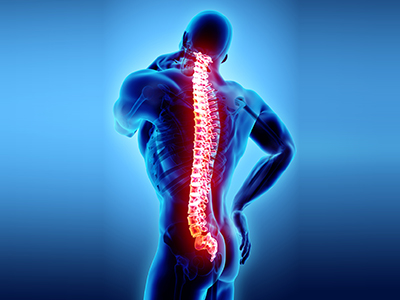
Spondyloarthropathies are a group of chronic inflammatory diseases of the spine and joints. Spondyloarthropathies can occur at any age, however, they occur more often in young males.