
Conservative Treatment
-
Back Pain Exercises

Strenuous activities of daily living can stress the back resulting in pain. It is natural at this time to withdraw from activity and rest, but is not helpful in the long run and may actually slow down the healing process.
-
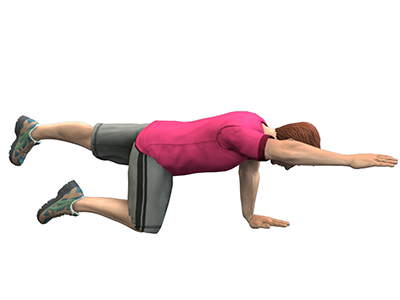
Low Back Pain Exercise Guide
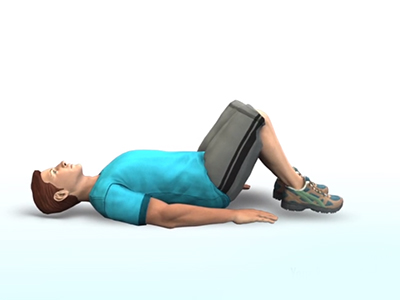
Exercise is necessary to keep the lower back healthy. It can also alleviate back pain and prevent future episodes. A good exercise program for low back pain should focus on the back, stomach, and leg muscles as they play a part in stabilizing the spine during various movements.
-
Medications for Back and Neck Pain

Medications play an effective role in the treatment of back or neck pain. Your doctor may prescribe several medications to help reduce pain and associated symptoms that are caused by unhealthy spinal conditions or deformities.
-
Neck Pain Exercise Guide

Exercise is an important part of keeping the neck muscles strong and flexible. It can help relieve stiffness, improve posture, and prevent future neck pain. A good exercise program for neck pain should focus on the muscles that support the neck and upper back, as these play a role in maintaining spinal alignment.
-
Non-Operative Treatments for Lower Back Injuries
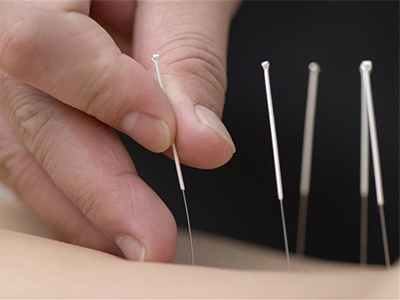
Non-operative treatments for lower back injuries are conservative or non-surgical remedies employed for the treatment of lower back injuries.
-
Non-Surgical Treatment for Disc Disease
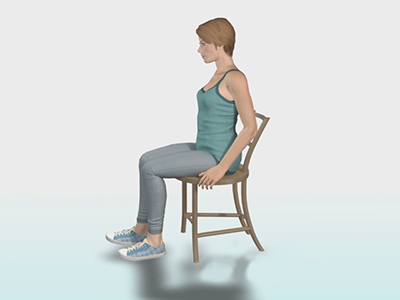
The spinal column consists of vertebral bones stacked one on top of the other, surrounding and protecting the spinal cord. Soft cartilaginous discs present between the vertebrae support the spine, act as cushions against stress and permit spine mobility.
-
Interventional Pain Management
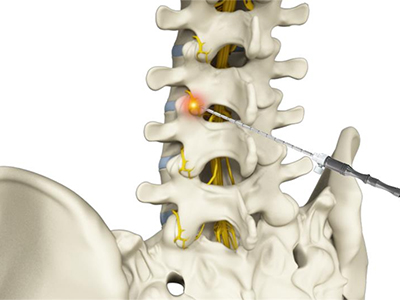
Interventional pain management encompasses a variety of non-surgical and surgical treatments for reducing pain and improving quality of life. These treatments are used when acute or chronic pain interferes with activities of daily living and other treatment options have been unsuccessful in relieving pain.
-
Spine Injections
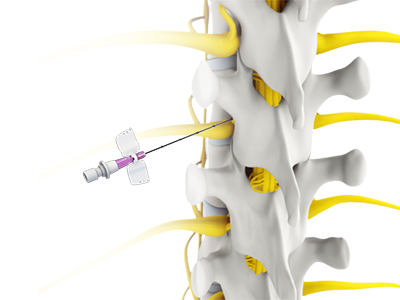
A spine or spinal injection is a minimally invasive procedure in which a medication is administered, using a needle and syringe, into the spine under real-time X-ray guidance - called fluoroscopy - to diagnose and treat numerous spine conditions.
-
Botox for Headache and Muscle Pain
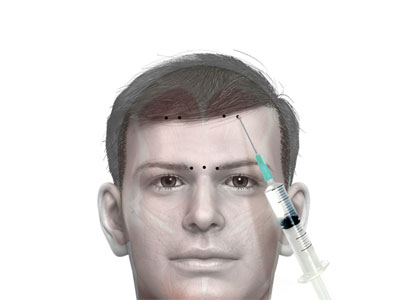
Botox is a type of purified protein synthesized from the bacterium, Clostridium botulinum. It was originally introduced for the treatment of certain eye disorders. Currently, the use of Botox therapy has been expanded to include many other medical and cosmetic applications and has emerged as an important tool in pain management.
-
Cervical Facet Radiofrequency Ablation
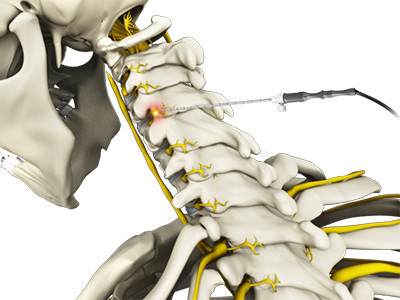
The paired joints in the neck are referred to as cervical facet joints. They are supplied by nerves that carry pain signals to the brain and spinal cord.
-
Cervical Medial Branch Block
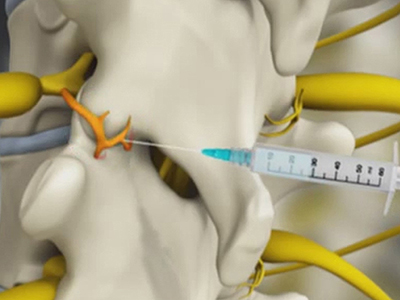
A medial branch block is a procedure in which a mixture of a local anesthetic with or without a corticosteroid is injected near the medial branch nerves supplying a facet joint.
-
Cortisone Injection
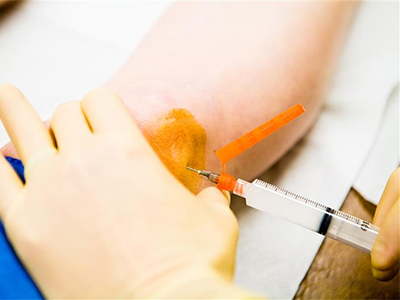
Cortisone is a corticosteroid released by the adrenal gland in response to stress and is a potent anti-inflammatory agent. A synthetic form of cortisone is used as medication and is usually administered as injections.
-
Epidural Blood Patch
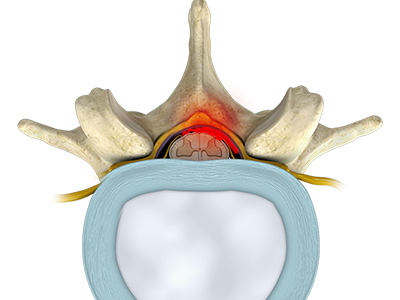
An epidural blood patch is a treatment option for a type of headache called post-dural puncture headache or spinal headache.
-
Epidural Steroid Injections
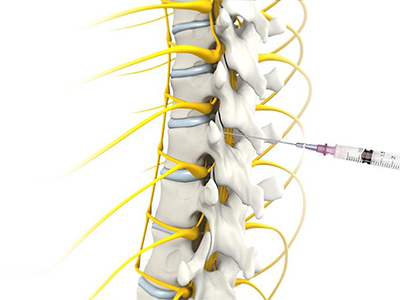
Epidural spinal injection is a non-surgical treatment option utilized for relieving back pain. Spine degenerative conditions such as herniated disc, spinal stenosis and many others may induce back pain due to the compression of the associated spinal nerves. This pain or numbness may extend to the other parts of the body such as hips, buttocks, and legs.
-
Gel Viscosupplementation
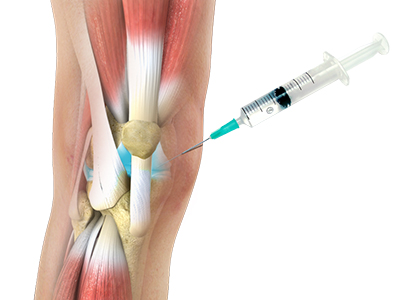
Viscosupplementation refers to the injection of a hyaluronan preparation into the joint. Hyaluronan is a natural substance present in the joint fluid that assists in lubrication. It allows the smooth movement of the cartilage-covered articulating surfaces of the joint.
-
Genicular Nerve Block
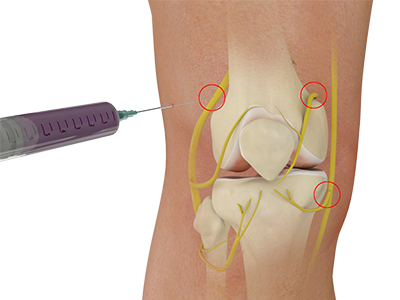
Your knee joint is formed by bones, tendons, and ligaments and innervated by various nerves. Nerves responsible for transmitting pain signals from different areas of the knee to the brain are collectively referred to as genicular nerves.
-
Genicular Nerve Radiofrequency Ablation
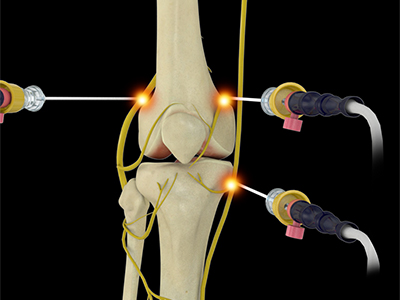
Genicular nerve radiofrequency ablation is a minimally invasive procedure for the treatment of chronic knee pain from knee osteoarthritis. It is a new and innovative technique that decreases knee pain, improves joint function, and the quality of life in knee arthritis patients.
-
Lumbar Facet Radiofrequency Ablation
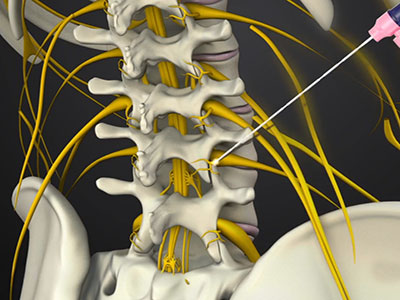
Radiofrequency ablation for lumbar spondylosis is a minimally invasive surgical procedure performed to treat lower back pain secondary to lumbar spondylosis. The procedure employs radiofrequency waves to produce heat which damages the nerves transmitting pain signals to the brain in the lumbar spine.
-
Lumbar Sympathetic Nerve Block
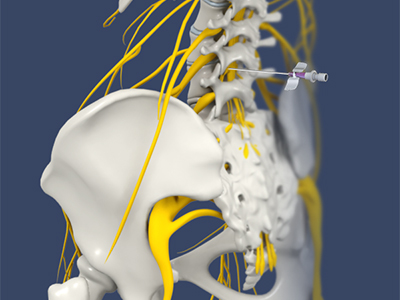
Sympathetic nerves located in the lower spine control basic functions such as regulating blood flow. They also carry pain signals from tissues to the spinal cord.
-
Peripheral Joint Injections
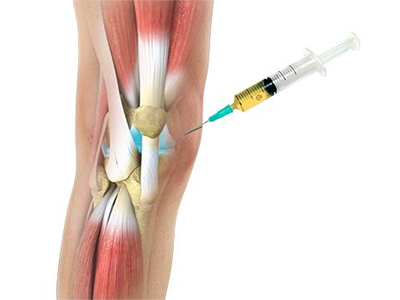
Peripheral joint injections are injections administered into the joints of the limbs such as the shoulder, elbow, hip, knee, and joints of the hands and feet. They help diagnose and treat joint pain and inflammation and improve mobility.
-
Peripheral Nerve Blocks for Joint Pain
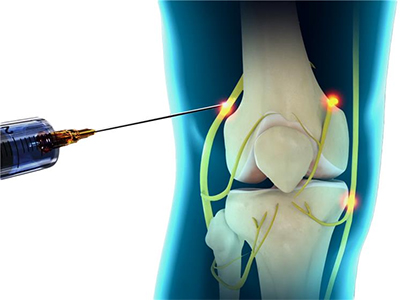
Peripheral nerve blocks for joint pain are a type of targeted pain management technique where an anesthetic (and sometimes a steroid or other medication) is injected near specific nerves that supply a painful joint. The goal is to block pain signals from reaching the brain, providing relief and improving function.
-
Sacroiliac Joint Injection
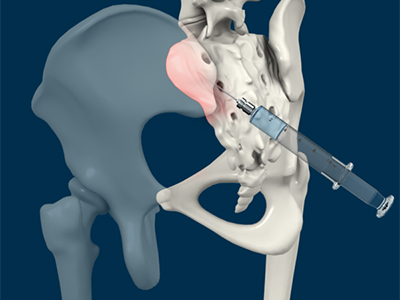
Sacroiliac joints (SI joint) are joints in the lower back region, where the sacrum and ilium bones join. Even though these joints are small and have limited motion, they have an important role in connecting your spine to the pelvic bone and the lower part of your body. They perform an important function of absorbing injurious shock forces of the upper portion of your body.
-
Stellate Ganglion Nerve Block
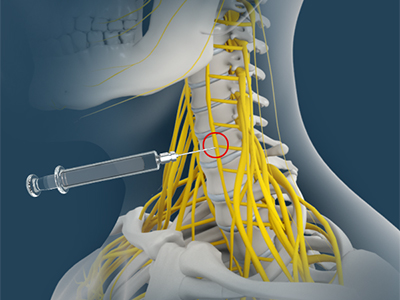
The stellate ganglion is a set of nerves located at the last two vertebrae of the neck which supply the face and arm. Trauma, injury or infection to these nerves can cause pain. A stellate ganglion block is an injection containing local anesthesia and a steroid, which blocks pain signals from reaching the brain.
-
Thoracic Facet Radiofrequency Ablation
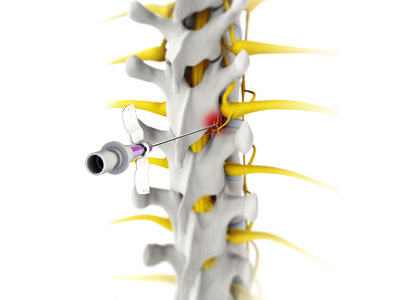
Thoracic Facet Radiofrequency Ablation (RFA) is a minimally invasive pain management procedure designed to provide long-term relief from chronic thoracic spine pain arising from the facet joints. These joints, located between the vertebrae, can become a source of pain due to arthritis, injury, or mechanical stress.
-
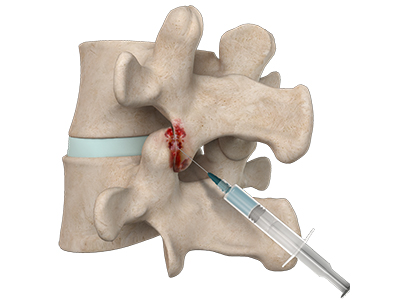
Trigger Point Injections
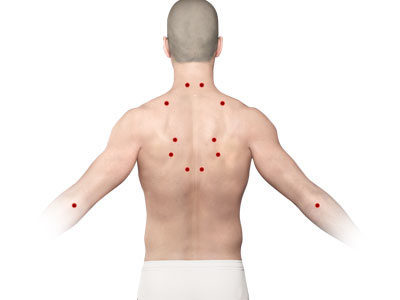
Trigger points are tight bands or knots that form when a muscle fails to relax after a contraction. These areas of pain and muscle spasm may develop due to acute trauma, overuse injuries, or chronic muscular disorders. They usually occur in the upper back and shoulder muscles and may irritate adjacent nerves causing pain to radiate to the surrounding regions. Trigger point injections or TPI may contain an anaesthetic, steroid, or a combination of the two. They are administered to relieve pain and improve mobility.
-
Dorsal Root Ganglion Trial/Implant
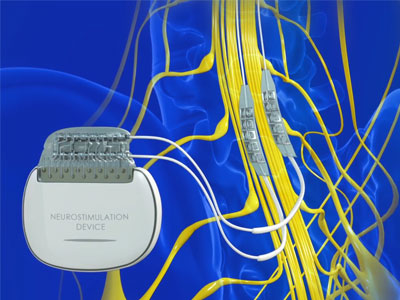
Dorsal Root Ganglion Stimulation or DRG stimulation is a treatment that provides relief from chronic neuropathic pain in conditions such as complex regional pain syndrome (CRPS). It involves stimulation of bundles of nerve cells close to the spine called the dorsal root ganglion, which are responsible for the transmission of pain impulses from specific regions of the body.
-
Peripheral Nerve Stimulation
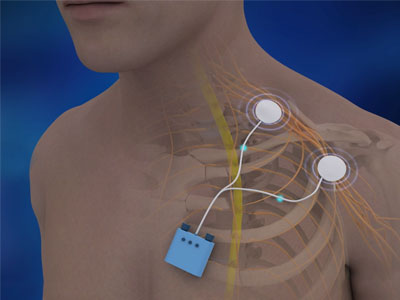
Peripheral nerve stimulation is a minimally invasive treatment for chronic pain and pain caused due to peripheral nerve damage. The peripheral nerves connect your brain and spinal cord with the rest of the body. Pain arises from the signals produced by a nerve when it is stimulated by tissue damage or when the nerve itself is damaged (neuropathic pain).
-
Spinal Cord Stimulator

A spinal cord stimulator is a device that sends electrical impulses to the areas of the spinal cord causing pain and interferes with the transmission of pain signals to the brain.
-
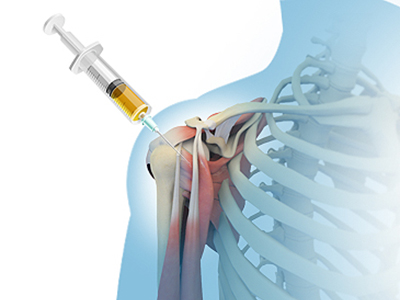
Platelet-Rich Plasma (PRP) Injection
Peripheral nerve stimulation is a minimally invasive treatment for chronic pain and pain caused due to peripheral nerve damage. The peripheral nerves connect your brain and spinal cord with the rest of the body. Pain arises from the signals produced by a nerve when it is stimulated by tissue damage or when the nerve itself is damaged (neuropathic pain).