
Epidural Blood Patch
What is an Epidural Blood Patch?
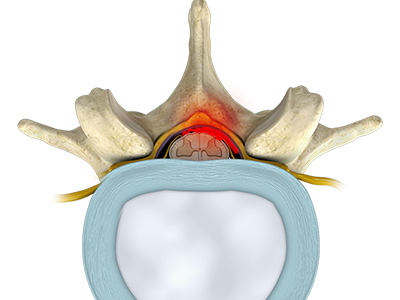
An epidural blood patch is a treatment option for a type of headache called post-dural puncture headache or spinal headache.
Spinal headaches typically occur following procedures such as a lumbar puncture in which a tiny hole is made in the lining of the spinal cord with a fine needle to obtain a small quantity of fluid that circulates around the spinal cord (cerebrospinal fluid) for analysis. Usually, after the completion of a lumbar puncture procedure, the hole that is made by the fine needle closes automatically. Nonetheless, in certain cases, small quantities of fluid may continue to leak from this hole causing a spinal headache.
This type of headache is typically postural in nature, usually worsened by standing or sitting and relieved by lying down, and may be associated with nausea, vomiting, neck stiffness, and dizziness. In such cases, an epidural blood patch procedure may be recommended as a treatment option for the patient. An epidural blood patch procedure involves the injection of your own blood (autologous) into the epidural space in your spine which then closes the opening through which the leakage is occurring. The placement of the blood forms a barrier within the epidural space to seal off the leak.
Indications for Epidural Blood Patch
Your physician may recommend an epidural blood patch procedure for the treatment of spinal headache or post-dural puncture headache in individuals who do not respond to conservative treatment such as oral analgesics, intravenous/oral caffeine, intravenous hydration, or rest, and who cannot tolerate the 7 to 10 days in which most dural puncture headaches resolve.
Contraindications for Epidural Blood Patch
Epidural blood patch procedure is contraindicated to patients who:
- Are allergic to any of the medications to be injected during the procedure
- Are on a blood-thinning medication, such as Coumadin or injectable heparin
- Have localised infection at the area of insertion
- Have active neurological disease
- Have septicemia (serious bloodstream infection)
- Have active infection
Preparation for Epidural Blood Patch
You should disclose information about any current health issues, past medical history, and a list of medications or supplements you are taking. Your physician may recommend you stop taking certain medicines such as blood thinners (if applicable) for a specific period. You should avoid eating or drinking for at least 6 hours prior to the procedure; however, it is okay to take your regular medications with a sip of water. You should also arrange for someone to drive you home if you opt for the procedure to be performed under sedation. A signed informed consent form will be obtained from you after the pros and cons of the procedure have been explained.
Procedure for Epidural Blood Patch
Epidural blood patch procedure is typically performed as an outpatient procedure in a radiology suite under the supervision of your doctor and radiologist. In general, the procedure involves the following steps:
- You will lie flat on your abdomen on the procedure table.
- You will be administered local anaesthesia or IV sedation, which can keep you comfortable and relaxed throughout the procedure.
- The skin on your back is cleaned with an antiseptic solution.
- A separate area where a good vein is present is also cleaned with an antiseptic solution to extract fresh blood.
- A small amount of blood is taken out of the veins using a fine needle, and under fluoroscopic (live x-ray imaging) guidance, your radiologist will inject the blood into the epidural space in close proximity to the location of the lumbar puncture or where the hole is present.
- The introduction of the blood acts to patch the hole in the dura (the outer membrane of the spinal cord) that was formed by the needle during a lumbar puncture. The injected blood clots and causes an increase in pressure which compresses and seals the hole shut. This prevents further leakage of spinal fluid and the headache is relieved.
Post-Procedure Care and Recovery
The procedure generally takes about 30 to 45 minutes, and you will be discharged home the same day after a short period of observation. You will be asked to lie flat on your back for at least an hour following the procedure to allow for healing to begin. Your headache may get better immediately, or it may take 4 to 6 hours to improve. You are advised to rest for at least a day and not go back to work the same day or engage in any strenuous activities during this period.
Risks and Complications
An epidural blood patch is a relatively safe procedure with minimal to no side effects. However, as with any procedure, some risks and complications may occur such as:
- Infection
- Bleeding
- Nerve damage
- Puncture of the sac containing spinal fluid
- Back or leg pain
- Failure of the procedure to relieve headache