
Knee Pain
What is Knee Pain?
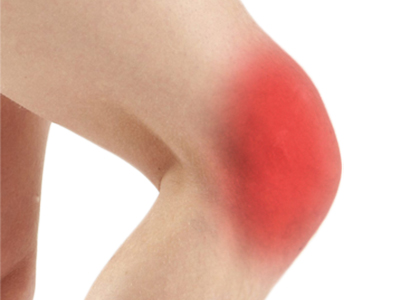
Knee pain is a common condition affecting individuals of various age groups. It not only affects movement but also impacts your quality of life. An injury or disease of the knee joint or any structure surrounding the knee can result in knee pain. A precise diagnosis of the underlying cause is important to develop an appropriate treatment plan.
What is the Knee Joint Comprised Of?
The knee is one of the largest joints in the body, formed by the lower end of the thighbone or femur, the upper end of the tibia or shinbone and the patella or kneecap. Several ligaments and muscles attach to the bones of the knee joint to maintain the normal motion and stability of the joint. The articular ends of the bones are lined by smooth cartilage allowing the bones to glide over each other during movement. C-shaped pads of cartilage called menisci, located between the bone ends, act as shock absorbers during movement.
What are the Causes of Knee Pain?
Some of the common causes of knee pain include:
- Arthritis, a condition associated with inflammation of the joint due to loss of articular cartilage
- Knee ligament injuries
- Meniscal tears
- Knee joint infection
- Dislocation of the kneecap or patella
- Patellar tendonitis, which is inflammation of the tendon connecting the kneecap to the shinbone
- Knee bursitis, which is inflammation of the bursae, small fluid-filled sacs located around the joints, usually between a tendon and bone
- Gout or accumulation of uric acid crystals in the joints causing severe attacks of joint pain, swelling and redness
What are the Signs and Symptoms of Knee Pain?
Some of the common signs and symptoms that accompany knee pain include:
- Swelling and redness
- Inability to bend or extend the knee
- Difficulty walking
- Limping due to discomfort
- Difficulty weight-bearing
- Weakness or instability
- Popping or crunching noises
How is Knee Pain Diagnosed?
Diagnosis involves a detailed review of your medical history and a physical examination of the knee. Your doctor may also conduct diagnostic imaging studies such as X-rays, MRI, CT, and ultrasound scans. Blood tests may be performed to identify infection or gout. Sometimes, a procedure called arthrocentesis may also be performed, where fluid from the knee joint is removed and sent to the laboratory for analysis.
What is the Treatment for Knee Pain?
Treatment options depend upon the underlying cause responsible for the knee pain.
Some of the common treatment options for knee pain include:
- RICE protocol: Rest, ice, compression, and elevation of the affected knee joint
- Medications
- Stretching and physical therapy
- Knee injections
If knee pain does not resolve with the above measures, consultation with an interventional pain specialist can be helpful. Advanced treatment options that may be offered include corticosteroid joint injections to manage pain related to inflammation or regenerative therapies such as platelet-rich plasma injections to promote tissue healing and regeneration in the knee. If you have severe knee injury with pain and swelling, you may need orthopedic care.